Major historic severe weather

February 2005
SE Australia
Deep low pressure system

A deep low pressure system from 2 to 4 February 2005 resulted in severe storms over an extensive area of south east Australia. The synoptic scale system rapidly developed north east of Tasmania on the evening of 2 February. Severe south to south east winds were experienced in north east Tasmania in the early hours of 3 February. The low tracked westward towards Victoria, resulting in wind gusts exceeding 90 km/h from northern Tasmania to Newcastle in New South Wales. Other high winds were recorded at Devonport airport (117 km/h), Mount Read (122 km/h), Flinders Island airport (100 km/h), Wilson Promontory (148 km/h), Melbourne (Fawkner Beacon; 104 km/h) and Thredbo (154 km/h).

The pre-frontal instability ahead of the deep-low caused thunderstorms with wind gusts in a region of central eastern New South Wales. The most severe recordings were in Bathurst (93 km/h), Scone (93 km/h), Sydney (94 km/h at Kurnell) and Newcastle (91 km/h). A thunderstorm and possible tornado in the Sydney suburb of North Ryde caused severe local wind damage and brought down trees and powerlines, cutting power to thousands of homes. Hail measuring 4 to 6 centimetres in diameter also was recorded over a large area in the Sydney region.

The gale to storm force winds caused damage which extended from Devonport in northern Tasmania to Newcastle. For the most part, damage was caused by fallen trees as wind speeds reached levels close to the threshold at which direct damage is caused to structures. Extensive building damage was reported in Victoria with over 7,000 requests for assistance received during the storms and over the following few days. Source: Emergency Management Australia

1999
New South Wales
Sydney Hailstorm

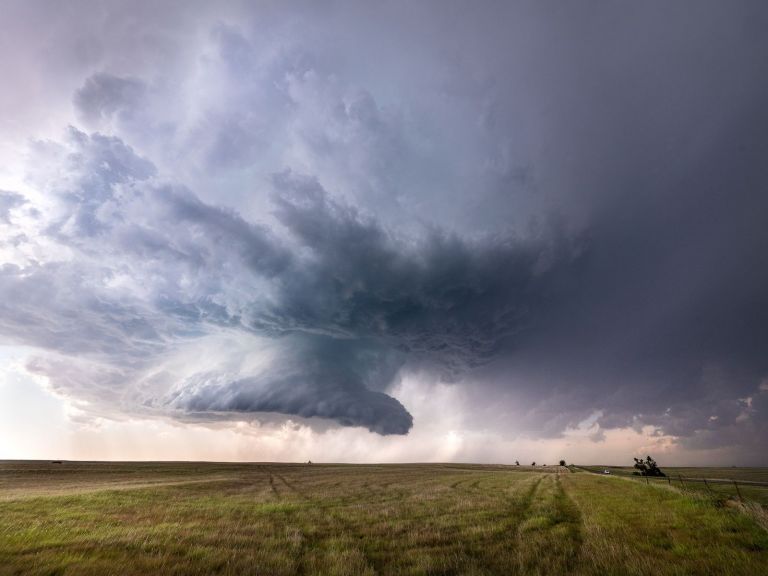
At 7:30pm on 14 April 1999, Sydney experienced arguably the most expensive weather event ever to have occurred in Australia. A supercell thunderstorm travelling up to 44 km/h took 20 minutes to pass and produced the largest hailstones ever recorded in the Sydney region. Some hailstones were estimated to be as large as 11 centimetres in diameter and impacted at more than 200 km/hr. The entire storm lasted about five hours and caused approximately A$1.7 billion in insured loss. A total of 32,000 homes and 43,000 cars were damaged. The State Emergency Services recorded 25,301 calls for assistance and the Rural Fire Service received 19,437 calls. The event occurred during a period when thunderstorms are considered to be rare and the probability is low for storms to maintain such intensity. Source: Emergency Management Australia

1998
East Coast Australia
Sydney Hobart Yacht Race

A super cell storm whipped up massive seas in Bass Strait shortly after the start of the annual Sydney to Hobart deepwater yacht race. Six sailors from New South Wales, Tasmania and Britain drowned when the storm cut through the fleet and 30 civil and military aircraft joined in the rescue of 55 other sailors from 12 stricken yachts. A total of seven yachts were abandoned at sea and lost. The overall cost resulting from the rescue operation and damaged and sunken boats was estimated at A$30 million. Only 44 out of 115 yachts which started the race completed the course to Hobart, with many having to retire and seek refuge at Eden on the New South Wales south coast. Source: Emergency Management Australia

1994
Western Australia
Perth Wind Storm

Winds registering up to 140 km/h damaged more than 600 houses, resulting in about 200 people being made homeless. Many trees and powerlines were downed, blacking-out 60,000 homes and causing significant losses to commerce and industry as well as damage to many vehicles. More than 2,500 calls for assistance were made to the State Emergency Services. The storm also was attributed with indirectly causing two deaths through road accidents. Source: Emergency Management Australia

1991
New South Wales
North Sydney Hailstorm

In the Turramurra area of north Sydney, an extreme storm which generated wind, hail and rain caused extensive damage in a pattern that indicated it may have been caused by a tornado or at least a severe downburst. One person was killed and about 100 were injured, 30 of them seriously. Source: Emergency Management Australia

1990
New South Wales
South West Sydney Hailstorm

This severe hailstorm produced hailstones measuring eight centimetres in diameter and described as being as large as oranges. The largest were reported in the south western suburbs of Liverpool, Bass Hill and Auburn. The thunderstorm produced a swathe of hailstones from Camden, south west of Sydney, to Narrabeen Beach in Sydney's northern region. Source: Emergency Management Australia

1973
Queensland
Brisbane Tornado

On the afternoon of 4 November 1973, intense thunderstorms built up west of Brisbane. One particularly active storm generated several funnel clouds, at least one of which touched down as a strong tornado west of the city. The tornado had a path length of 51 kilometres, with peak wind-speeds estimated in excess of 300 km/h. A total of 500 houses were unroofed, around 1,400 were damaged and 500 were declared structurally unsafe. This tornado remains the most damaging ever experienced in Australia. Source: Emergency Management Australia

1918
Victoria
Brighton Cyclone(Tornadoes)

On 2 February 1918, three separate tornadoes hit the bayside suburb of Brighton, Victoria, killing two people, injuring many others and destroying numerous buildings. The tornadoes developed when a slow-moving low pressure trough crossing Victoria encountered humid and unsettled conditions in Melbourne which resulted in thunderstorm development. Wind speeds were estimated to have reached 320 km/h in the few minutes that the storm lasted. The Brighton Historical Society website provides accounts of the event as it was reported in contemporary newspapers.

For more information contact: naturalhazards@ga.gov.au