Critical minerals in your day
Page last updated:21 September 2026

Our daily lives rely on critical minerals (containing chemical elements that are essential to modern technologies but are vulnerable to supply chain disruptions). You probably interact with them hundreds of times a day without realising it, from the moment your alarm sounds through to the time you wind down at night.
Critical minerals help power the devices, appliances, transport systems, communications and energy technologies that underpin modern life.
So, join us on a typical day in your life to discover just how critical these minerals have become.
5.30am
From the moment your smartphone alarm goes off in the morning, several critical minerals are already in action.
Your smart phone relies on around 30 chemical elements to work, many of these coming from critical minerals. From its speakers, display, vibration function, casing, battery, wiring and electronics – chemical elements derived from critical minerals extracted from the ground are likely sitting in your hand right now, if you are reading this on your device.
Across Australia, devices like smartphones and tablets have become part of everyday life. Each device contains a mix of minerals that support touchscreens, batteries, speakers, cameras, circuitry and connectivity.
At 5:35am, you finally dismiss your smartphone alarm by swiping your finger across your touchscreen – a function made possible by materials such as indium tin oxide, which helps make touchscreens transparent and conductive. You turn on your LED bedroom lamp, which use critical minerals such as gallium and indium. Thankfully, your room has been kept cool overnight by your ceiling fan, which likely has rare earth elements in its motor.
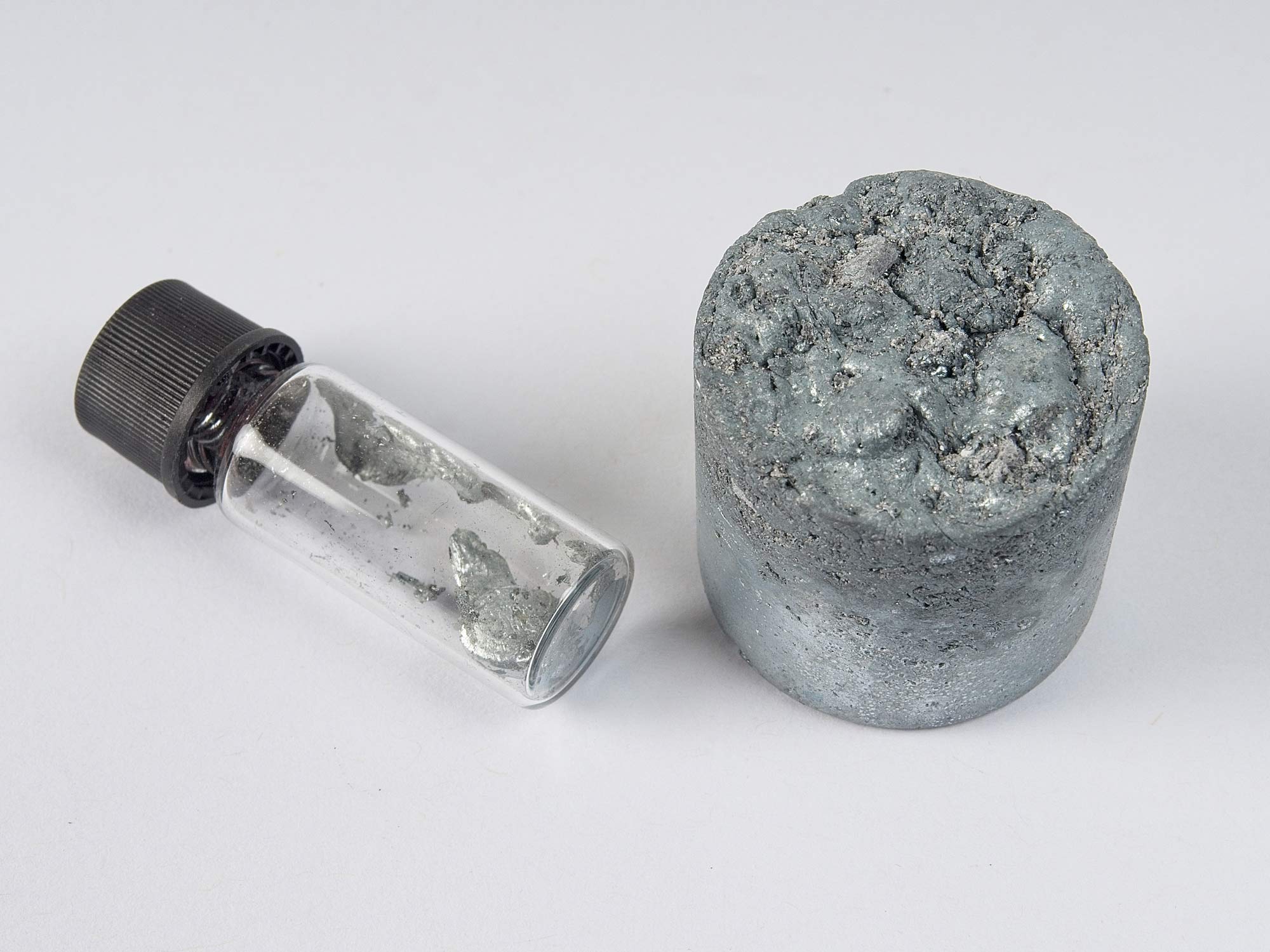
Gallium, Geoscience Australia CC 4.0
5.45am
You head to the bathroom and grab your electric toothbrush, a device that contains powerful magnets made from rare earth elements. But that’s not the only place you can find them in your bathroom. Almost every shiny surface in your bathroom, including the ceramic tiles, basin and toilet, contain critical minerals such as titanium and zirconium. Titanium is used as white pigment in some bathroom tiles, while zirconium silicate is a key ingredient that helps achieve the ultra-white finish on ceramic toilet bowls, basins and bathtubs.
6.20am
It’s time to get some breakfast, so you head into the kitchen. Your fridge, dishwasher, coffee machine and microwave all contain motors, electronics or components that can rely on materials such as nickel, rare earth elements and other critical minerals.
Many household appliances use critical minerals in motor components, electronics or powerful permanent magnets. Even the solar panels used to generate electricity rely on critical minerals extracted from the underneath the surface.
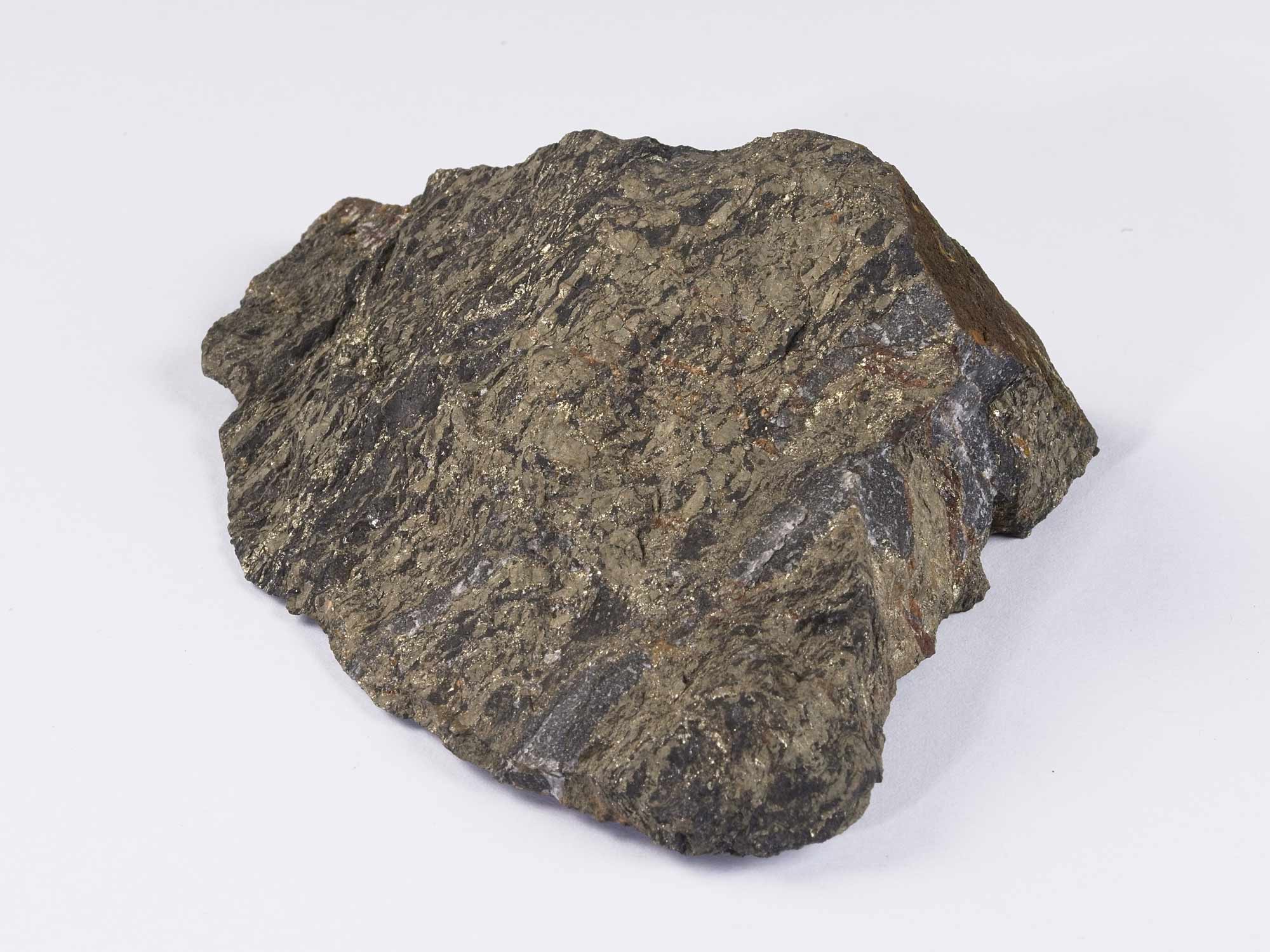
Nickel Ore, 300' level, Silver Lake Shaft, Kambalda WA, Geoscience Australia CC 4.0
7.15am
You hop on board the electric bus that will take you to school or work. Electric vehicles require significantly more critical mineral inputs than conventional petrol vehicles because of their batteries, motors and electronics. They also require a lot of copper, which is not a critical mineral but is essential in the construction of electric vehicles.
While sitting on the bus, you pop on your favourite headphones to listen to some music. Those headphones may use rare earth elements in tiny magnets that produce clear sound, along with other critical minerals in their batteries, wiring and electronics.
8.30am
At school or work, you open your laptop or tablet and connect it to your monitor – all of which use critical minerals along with other non-critical minerals and materials to deliver powerful batteries, displays, computing power and connectivity. Critical minerals help deliver brightness, colour accuracy, processing power and reliable communication.
5.00pm
By 5.00pm, the day is winding down and you’re already thinking about heading home to stream your favourite show on your smart TV. Even that quiet end-of-day ritual relies on critical minerals, from the display that delivers crisp colour and brightness to the tiny components that help produce clear sound and keep the device connected.
Throughout your day, critical minerals have been working in the background too. They help power defence technology that keeps communities safe, satellites and communications systems that keep us connected, advanced manufacturing, and the batteries, solar panels, wind turbines and other renewable energy technologies that are helping build a clean energy future and powering all your devices. (If you want to know what makes these minerals really critical, check out our recent story).
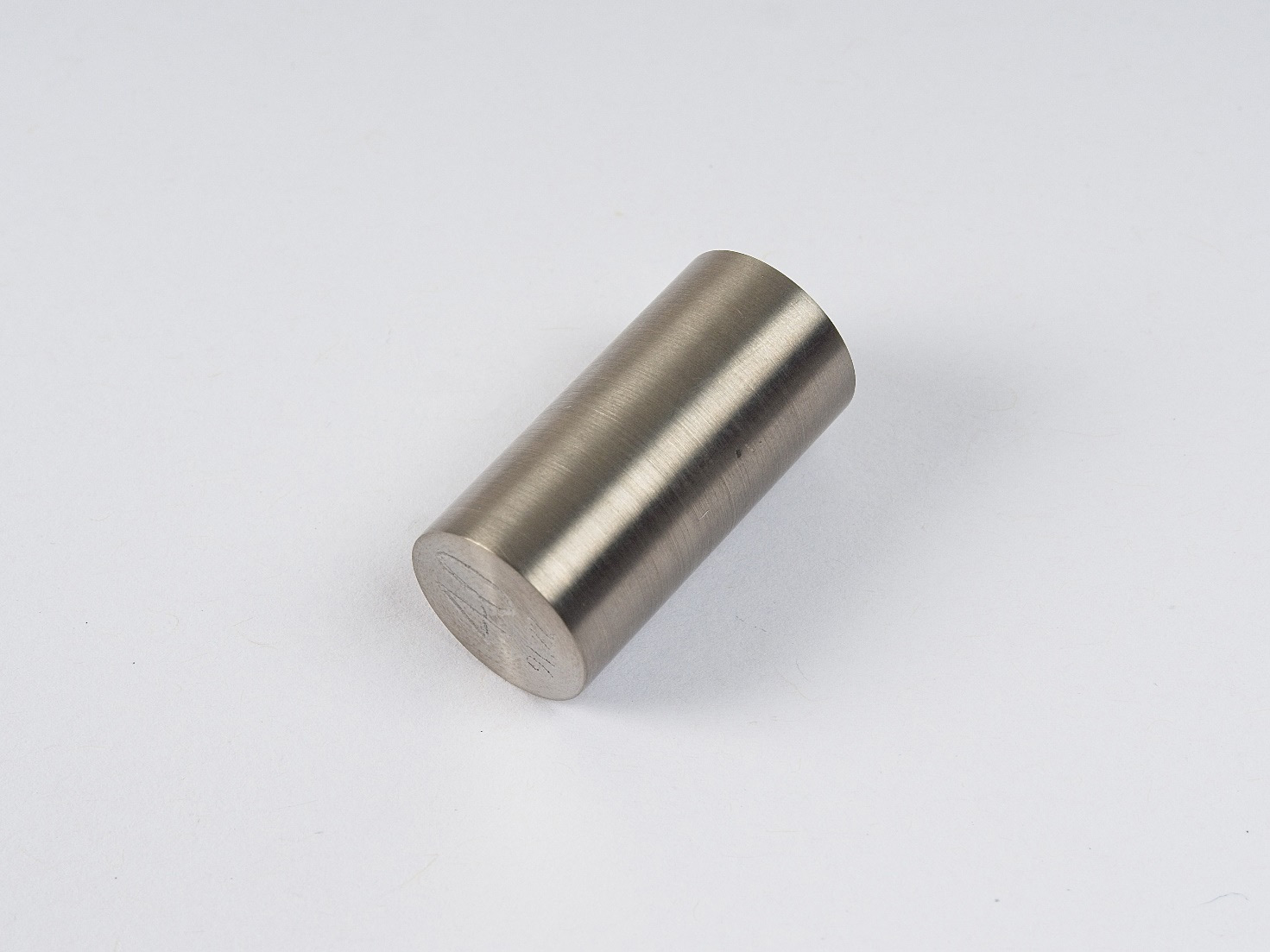
Processed zirconium, Geoscience Australia CC 4.0
Because these minerals occur in real places, understanding them also means understanding the landscapes, water systems, communities and environments around them. Reliable and trusted Earth science helps make those connections clearer.
Geoscience Australia is working behind the scenes, helping to identify, map and understand the nation’s critical mineral resources. By providing trusted scientific data, maps, tools and advice, we help governments, industry and communities make informed decisions about the minerals that support the technologies we use every day and Australia’s future prosperity.
Check out this resource to learn more about the minerals that power modern technology or try our match-up card activity to explore the ways in which rocks, minerals, and elements are used in our everyday lives.
Discover our other Earth Science Week stories, resources and activities – and get involved!