Algae to Zooxanthellae Life in the rock record

Explore a range of free downloadable fossil posters showcasing the variety of flora and fauna that have evolved through geological time.
Each poster provides details on when the organism lived, where they are found, and what we know about their habitat and lifestyle based on evidence preserved in the rock record.
Support your teaching of Earth sciences with this glimpse into the past though these fossil posters.
Filter
Topic

Complete series of posters
Download the complete series of 36 posters here.
Educator notes and student activities
This resource provides a comprehensive overview of geological time and fossilisation, and a range of student activities ready for the classroom.

Educator guide – classification overview
This resource provides accessible information on biological classification for use with the poster series.

Life on Earth Geological Timescale
This diagram shows the time of first appearance, occasional extinction, and distribution through time of each of the organisms described in this poster series.
Stromatolites
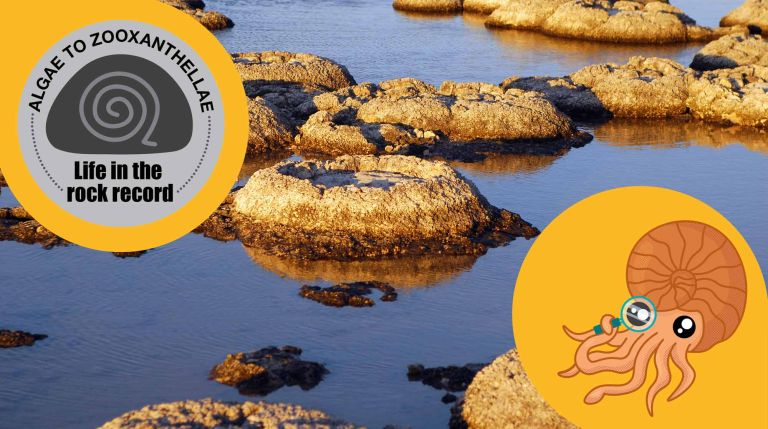
Stromatolites are layered structures built up by communities of cyanobacteria (photosynthetic bacteria-like algae) in shallow marine environments.
Acritarchs
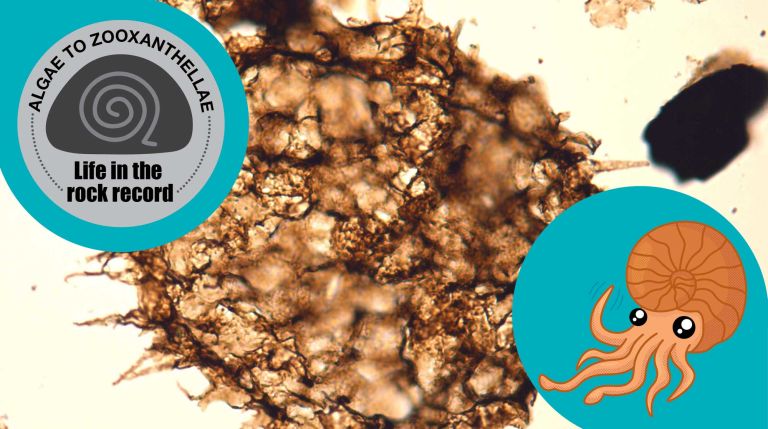
Acritarchs are a collection of many types of small (0.01 mm – 0.25 mm) organic-walled, acid-insoluble microfossils of uncertain origin.
Ediacaran biota
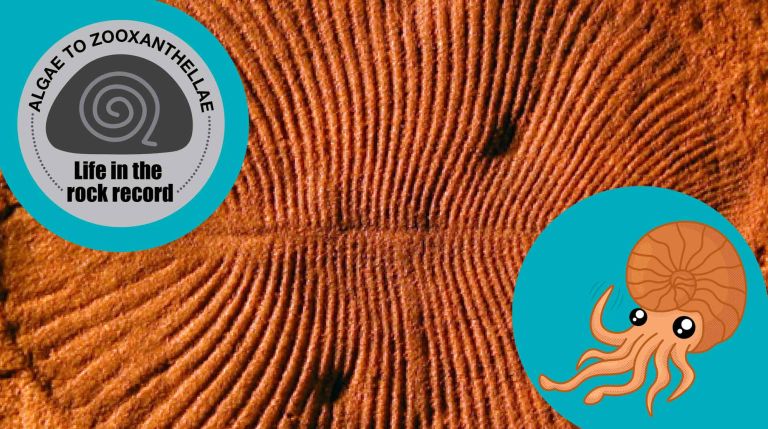
Nobody is certain what the strange organisms of the Ediacaran really were. They are commonly grouped together as ‘Ediacaran biota’.
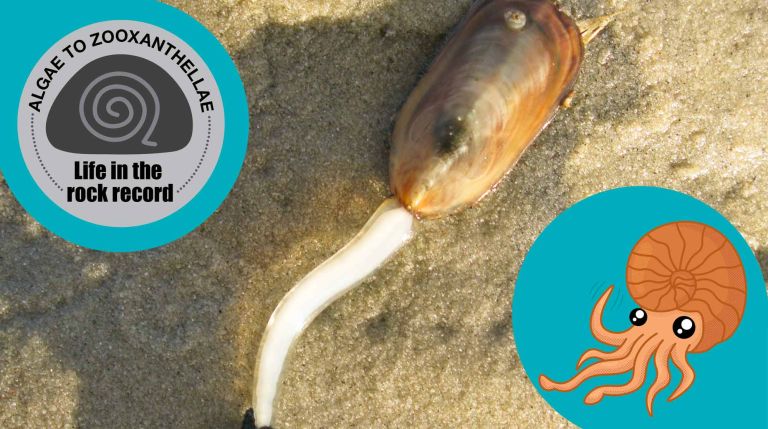
Brachiopods
Brachiopods are a group of marine invertebrate animals that have two hinged shells called valves.
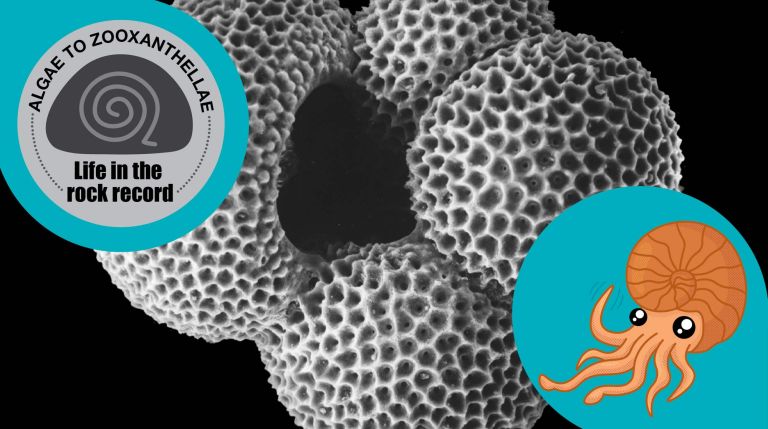
Foraminifera
Foraminifera, also known as forams, are a large group of single-celled mostly marine amoeboid protists.
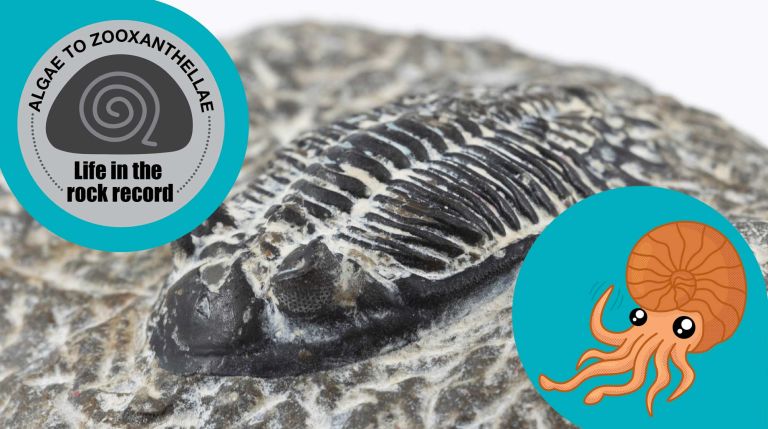
Trilobites
Trilobites are an extinct group of marine invertebrates belonging to the phylum Arthropoda.
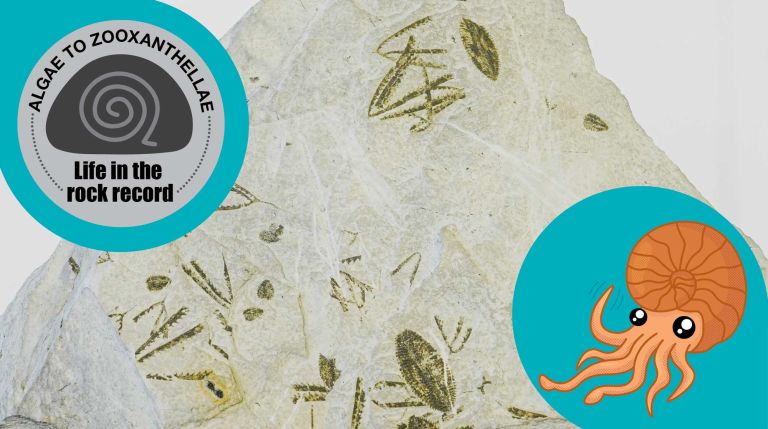
Graptolites
Graptolites were a group of colonial marine animals. The colony consisted of one or more ‘hacksaw shaped’ branches, called a theca, where the individual animals lived.
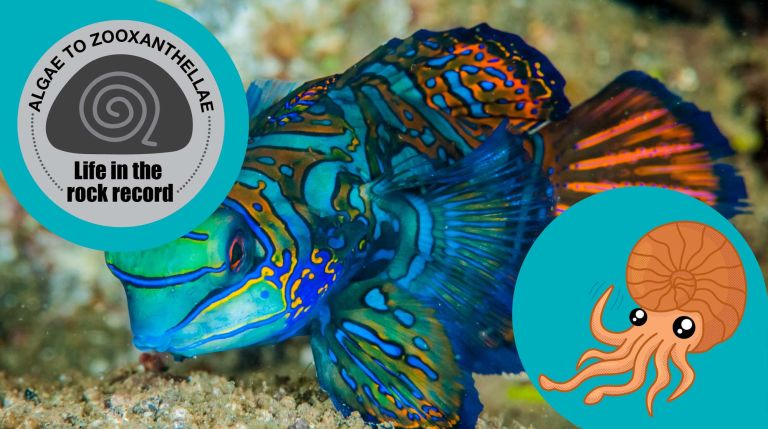
Fish
Fish are marine and freshwater vertebrates that breathe through gills. Fish are extraordinarily diverse, and can be divided into jawless and jawed fish, cartilaginous and bony fish, and ray finned and lobe finned fish.
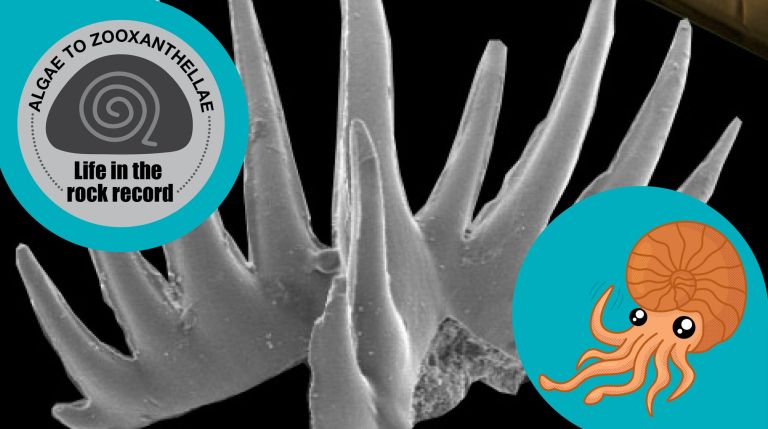
Conodonts
For well over 100 years, small, tooth-like fossils composed of calcium phosphate had been found in rocks deposited in marine environments, but it was not understood what they were.
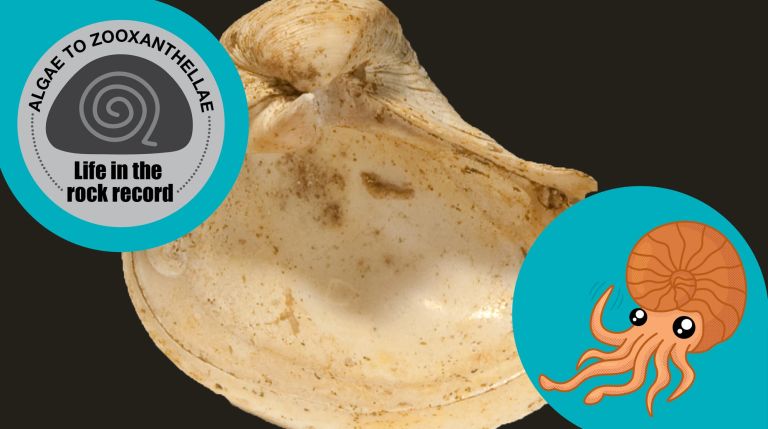
Bivalves
Bivalves are a large class in the phylum Mollusca and include pippies, oysters, scallops, mussels, and clams.
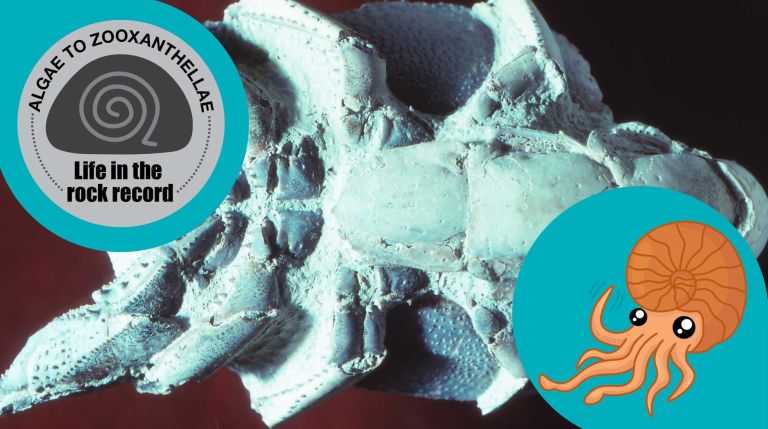
Crustaceans
Crustaceans are a large group of mostly marine or freshwater animals belonging to the phylum Arthropoda.
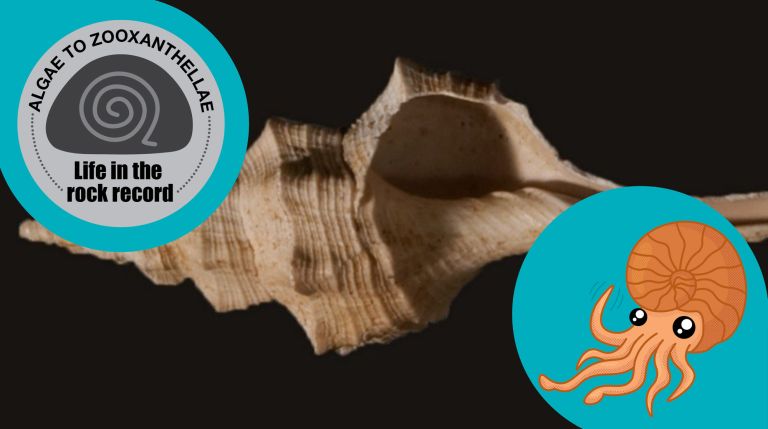
Gastropods
Gastropods are a large class in the phylum Mollusca and are familiar to most people as snails and slugs.
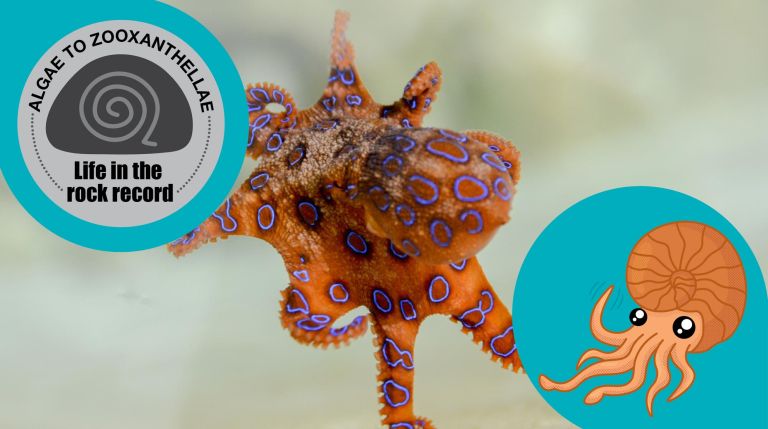
Cephalopods
Cephalopods are a class in the phylum Mollusca and are familiar to most people as octopi, squid, cuttlefish, and nautiloids.
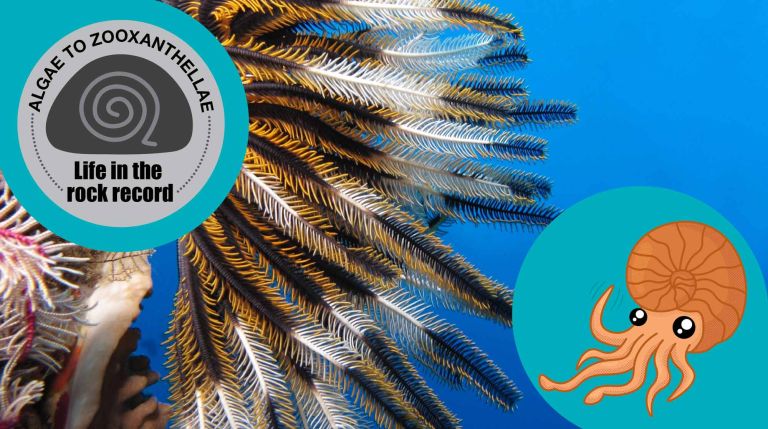
Crinoids
Crinoids are marine animals related to sea stars, sea cucumbers, and sea urchins.
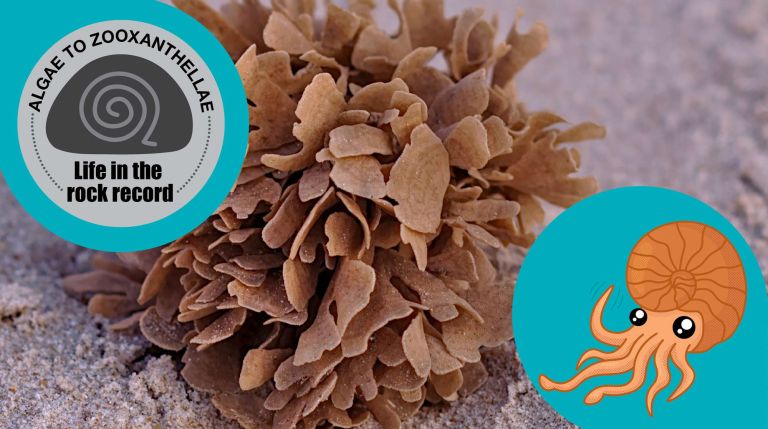
Bryozoans
Bryozoans are a group of aquatic invertebrate animals that live almost entirely in colonies.
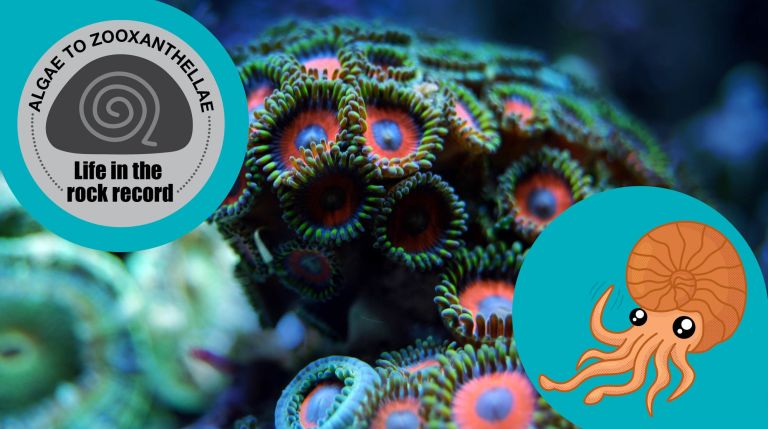
Corals
Corals are marine animals that belong to the phylum Cnidaria, which also includes jellyfish, bluebottles, and anemones.
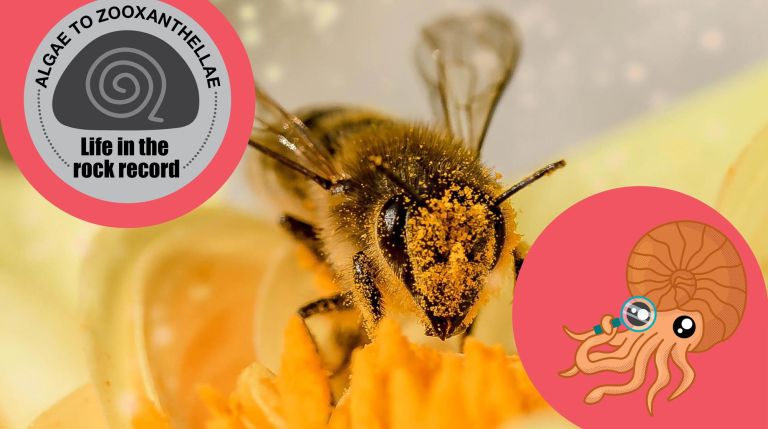
Spores and pollen
Releasing spores and pollen is the way most land plants (from mosses to eucalyptus trees) and some fungi reproduce.
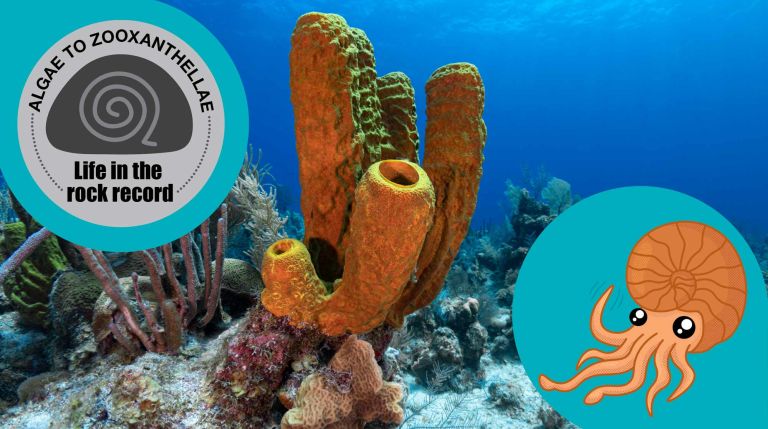
Stromatoporoids
Stromatoporoids (not to be confused with stromatolites) are a peculiar group of marine organisms belonging to the phylum Porifera–sponges.
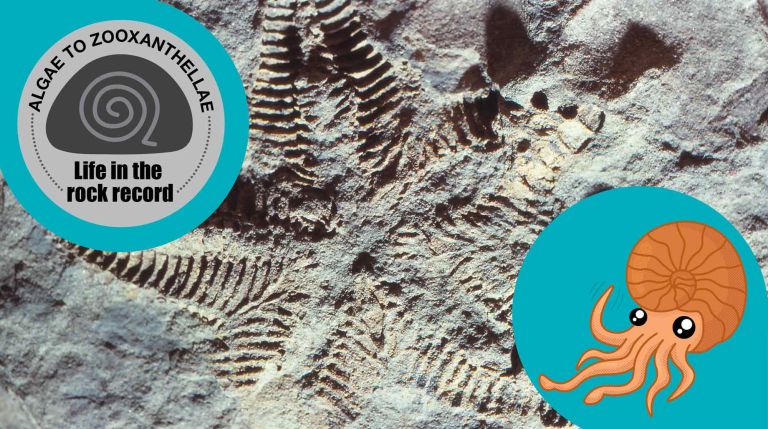
Sea stars
Sea stars, or starfish, are related to sea urchins, crinoids, and sea cucumbers and also belong in the phylum Echinodermata.
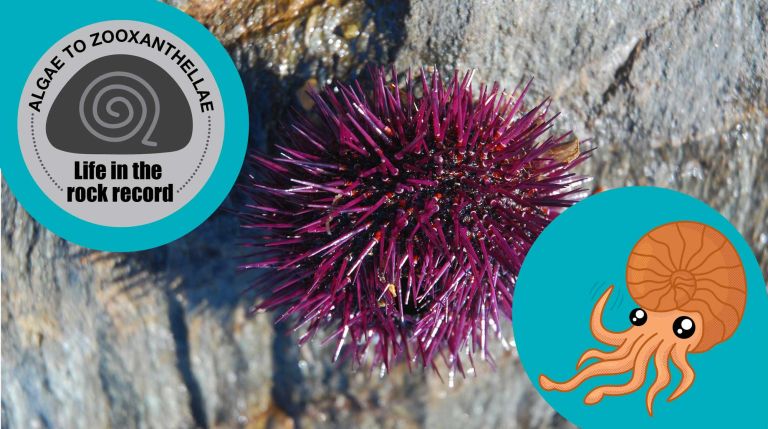
Echinoids
Echinoids are commonly called sea urchins, heart urchins, or sand dollars.
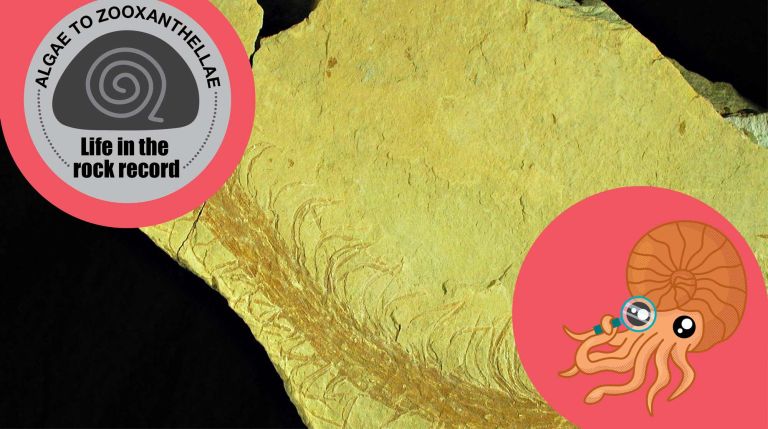
Lycopods
Lycopods were some of the earliest vascular plants and their vascular system (xylem and phloem) allowed them to grow much larger than the first land plants which lacked a vascular system.
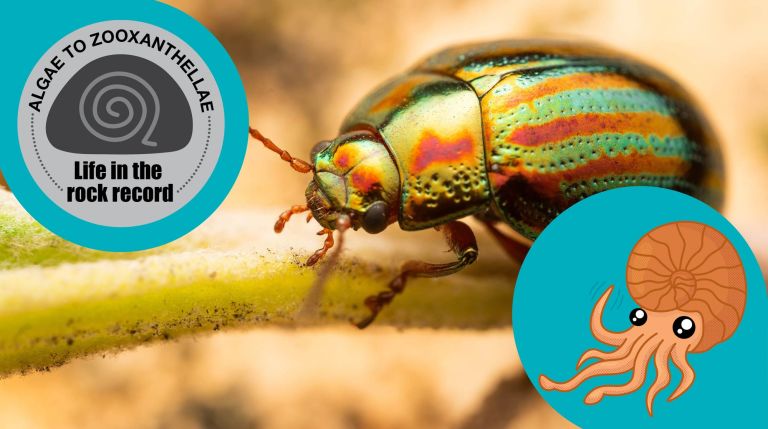
Insects
Insects are a large class of mostly land-living, air-breathing invertebrates belonging to the phylum Arthropoda.
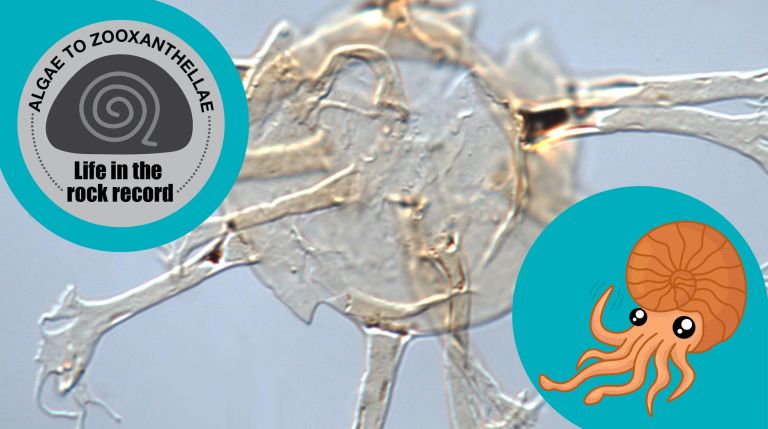
Dinoflagellates
Dinoflagellates are a large group of single celled algae-like protists.
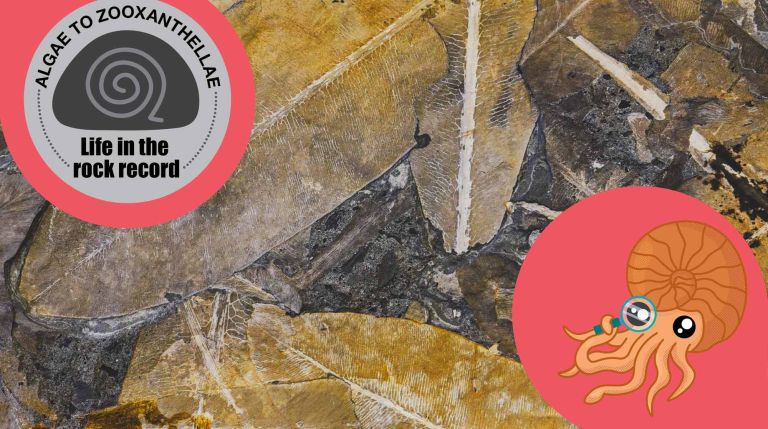
Seed ferns
Seed ferns were the first seed bearing plants to evolve and are very early members of the clade gymnosperm, meaning ‘naked seed’.
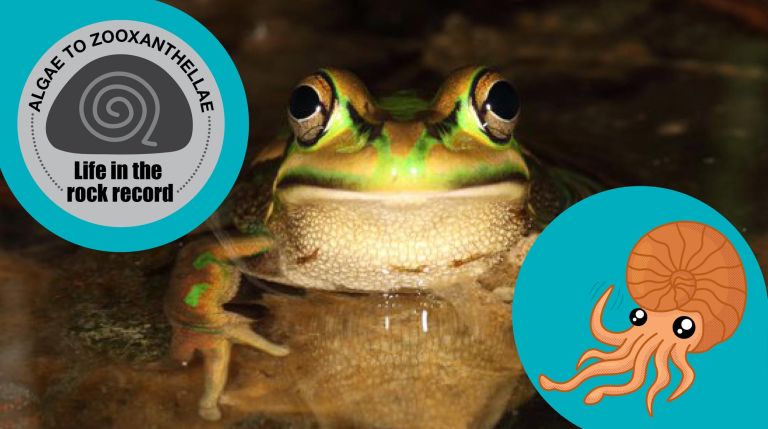
Amphibians
Amphibians are a class of vertebrates that usually change from a juvenile, larval water-breathing form to an adult air-breathing form during their life.
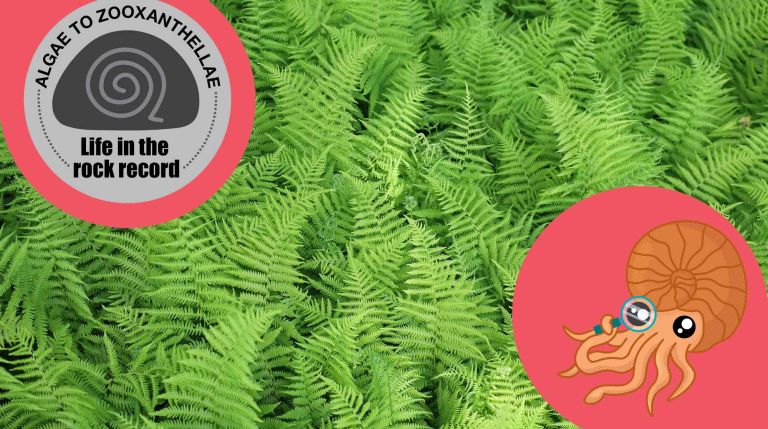
Ferns
Ferns, like lycopods, are vascular plants which reproduce with spores rather than seeds.
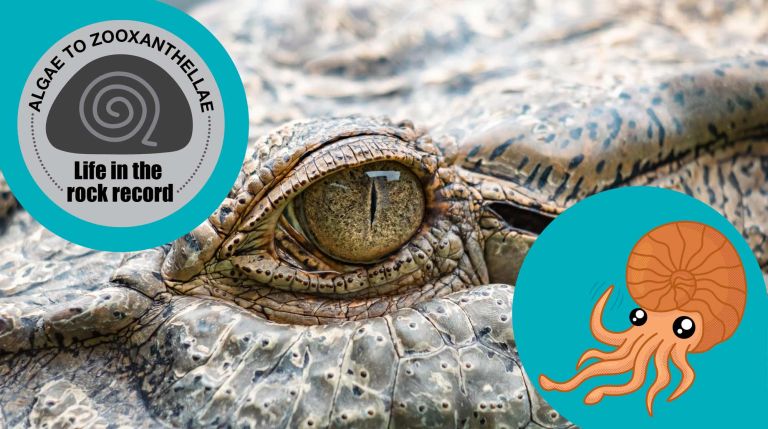
Reptiles
Reptiles evolved from amphibians. The evolution of the amniotic egg, an egg with a waterproof shell allowed reptiles to lay eggs on land.
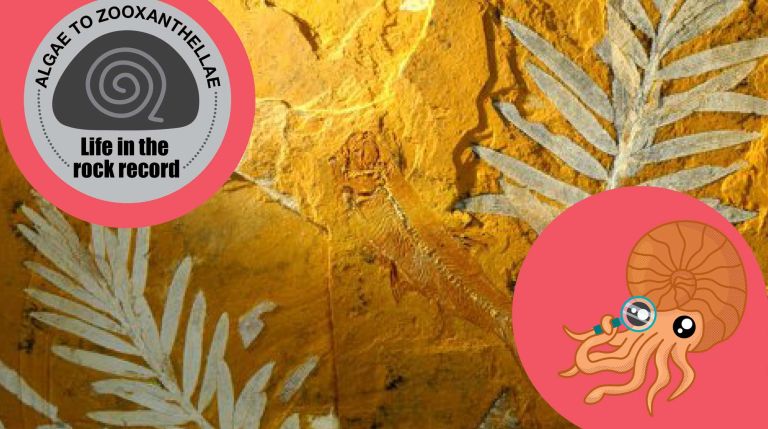
Conifers
Conifers are cone-bearing seed plants. Some are the tallest trees in the world, like the coast redwood of west North America reaching a height of 115 m.
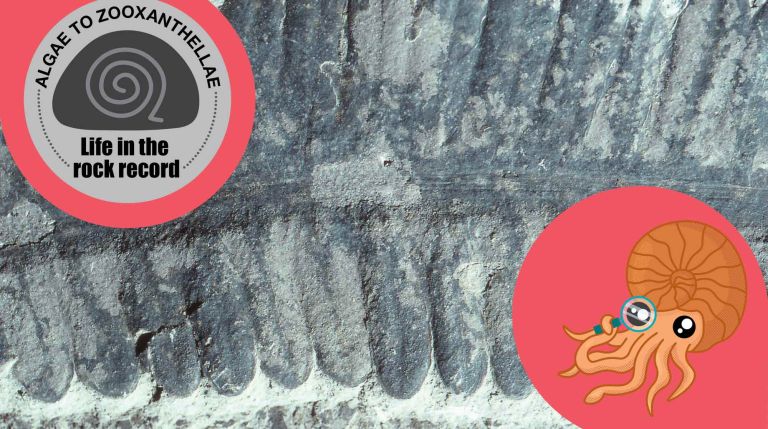
Cycads
Cycads are trees with short, thick trunks and a crown of large frond-like leaves.
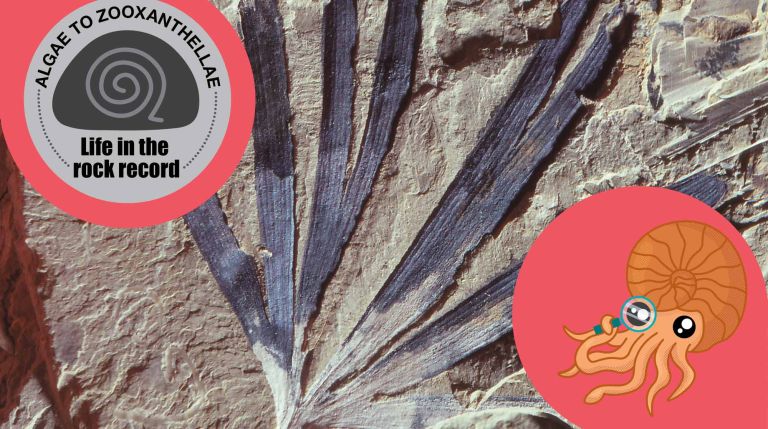
Ginkgo
Ginkgo is commonly known as the Chinese maidenhair tree because its fan-shaped leaves resemble those of the maidenhair fern.
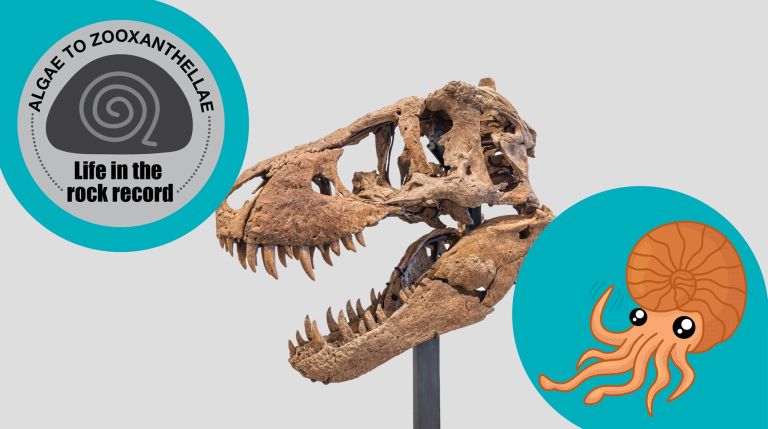
Dinosaurs
Dinosaurs evolved from diapsid reptiles and are familiar to most people.
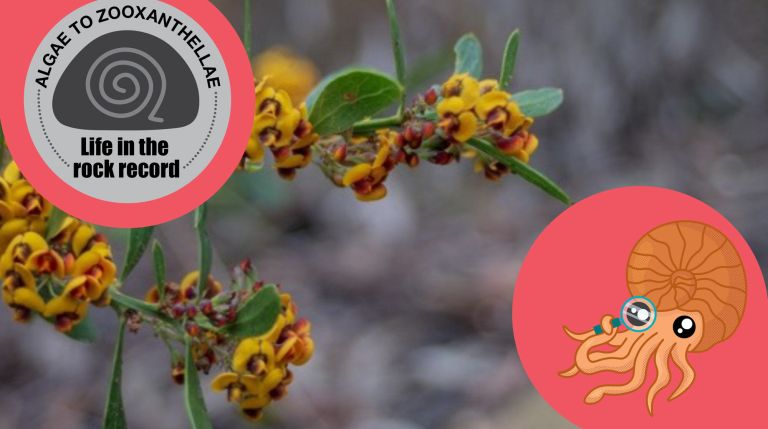
Flowering plants
Flowering plants, in the clade angiosperm, are among the most diverse and successful organisms ever to evolve.
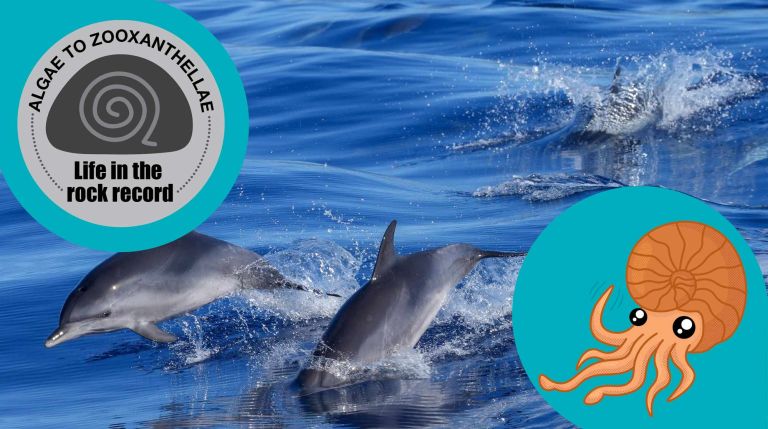
Mammals
Mammals are a group of air-breathing vertebrates that have hair, three middle-ear bones, and suckle their young.
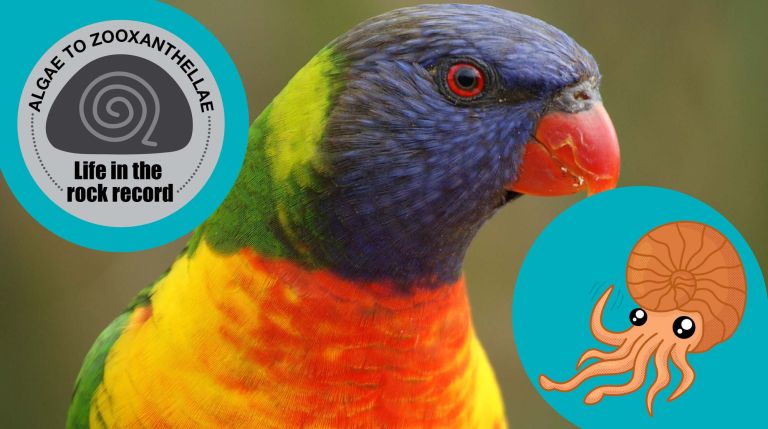
Birds
Birds are the only extant dinosaurs. Modern birds have feathers, wings, walk on two legs, are warmblooded, and lay eggs.
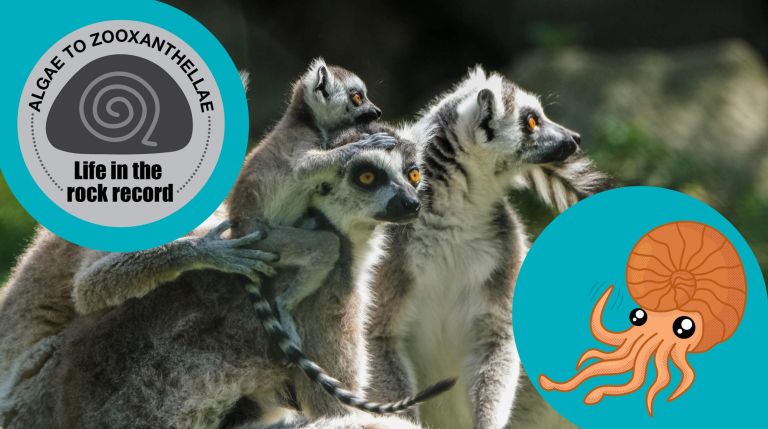
Primates
Primates are an order of mammals that include lemurs, lorises, tarsiers, monkeys, apes, and humans.