AECR 2025 Australia’s Energy Commodity Resources 2025


Australia has a strong and diverse mix of energy resources that contribute to the nation’s energy security and prosperity and support the transition to net zero.
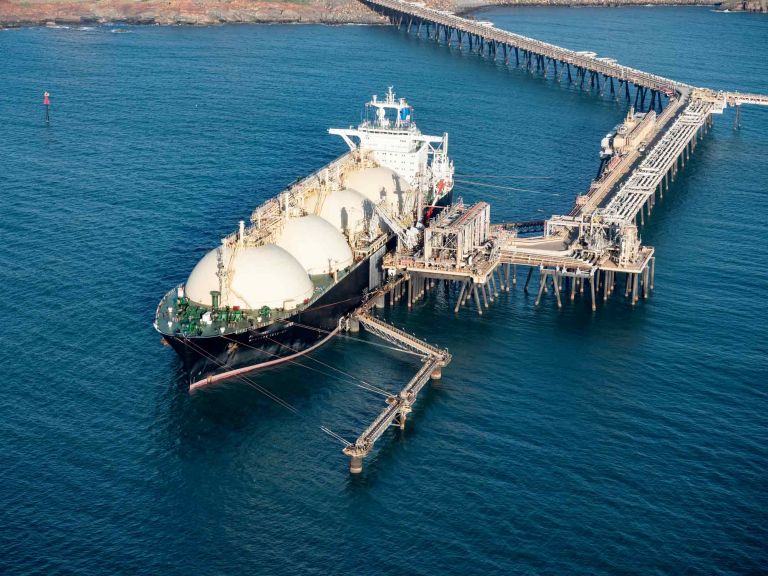
Australia is a key energy commodity producer and leading energy exporter.
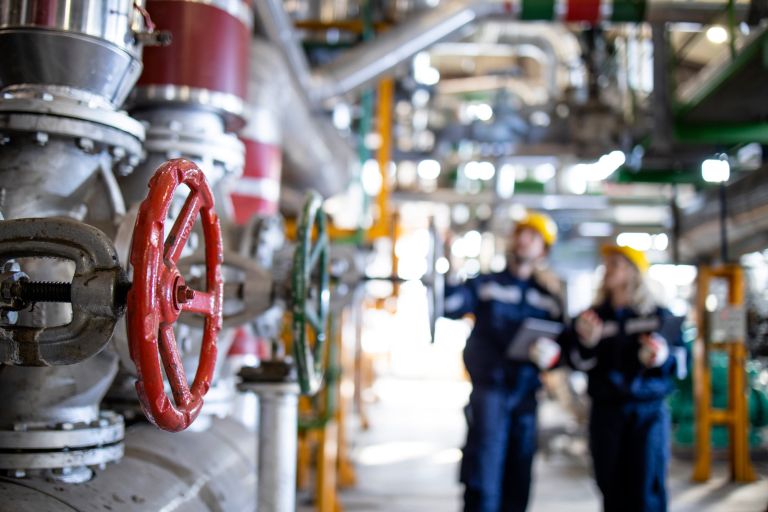
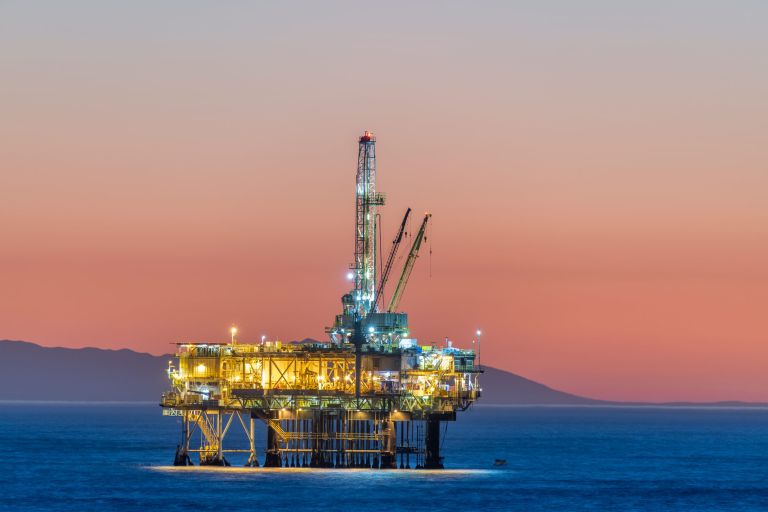
Australia’s conventional liquid hydrocarbon resources include crude oil, condensate and liquefied petroleum gas (LPG).
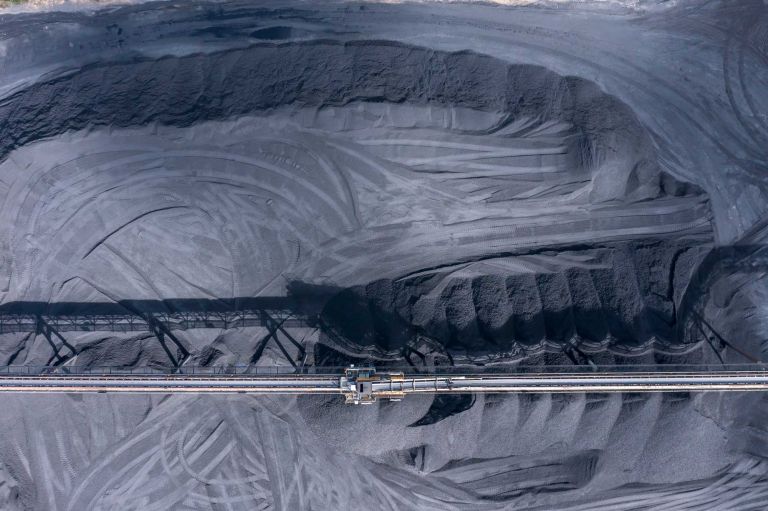
Australia’s coal resources are world class in volume and quality, with vast resources of both black and brown coal.

Australia has a major share of the world’s uranium and thorium resources.
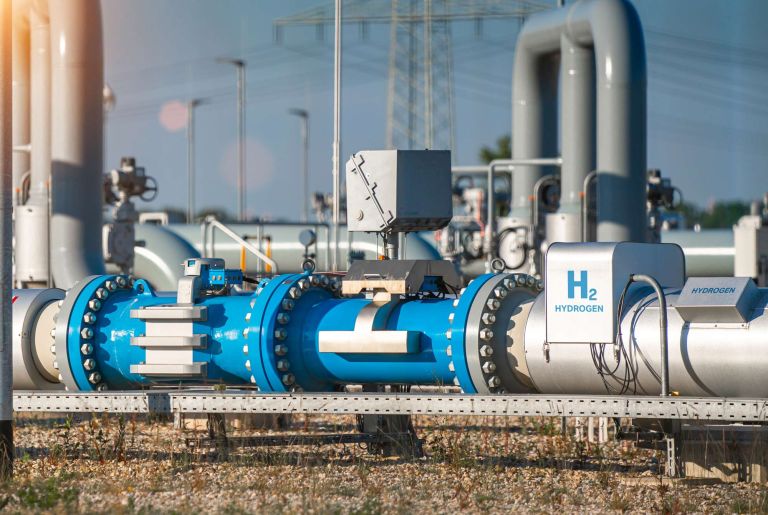
Australia has extensive world-class energy resources that can support the development of a clean hydrogen industry and assist with decarbonising Australia’s economy.

Carbon capture and storage is one of the technologies that can help to reduce our carbon dioxide emissions to the atmosphere.
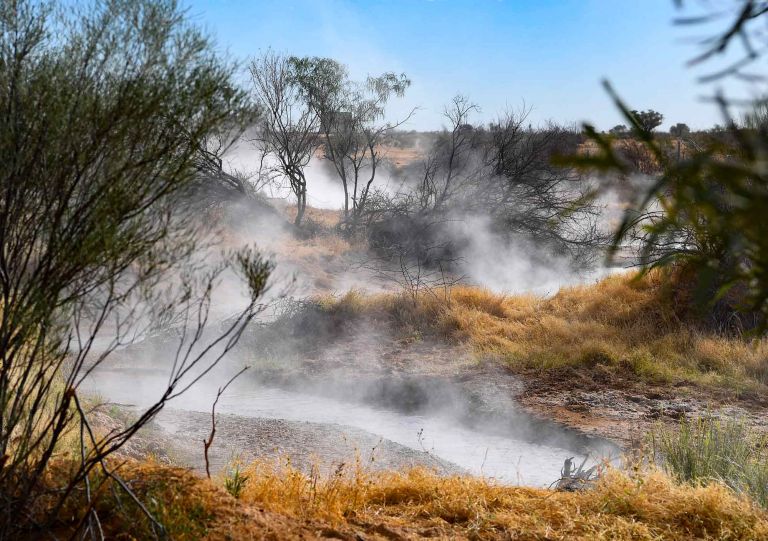
Geothermal energy is an emerging industry in Australia, with a resurgence of interest in exploration across the country.
Minister's Foreword

The latest Australia’s Energy Commodity Resources 2025 publication helps us understand the energy resources available to Australia to support our nation and our trading partners on the road to net zero by 2050.
Since 2021, Geoscience Australia has published annual reports on the nation's energy commodity resources, revealing trends and providing an overview of our nation’s world-leading energy resource base. It details the status of gas, oil, uranium and coal resources, and emerging low carbon solutions including carbon capture and storage (CCS) and hydrogen.
This report shows Australia is endowed with abundant and diverse energy resources.
Key highlights for the 2023 calendar year include:
- Australia exported liquified natural gas (LNG) at record levels in 2023, exporting 80.7 million tonnes to maintain our position as the world’s third largest LNG exporter.
- In 2024, Australia had 13 committed major gas and LNG projects valued at nearly $38 billion.
- Our nation has more than one-third of the world’s known uranium resources and ranked fourth for global production, contributing about 9% to global production.
- Coal is Australia’s largest energy resource.
- In 2023, total energy exploration expenditure was $1.47 billion, an increase of 18% on 2022 ($1.25 billion).
We know traditional energy resources like gas will continue to have an important role to play as a flexible and dependable source of energy as we invest in strategies to reduce our carbon footprint.
The Resourcing Australia’s Prosperity initiative, led by Geoscience Australia, is contributing to this important work.
Resourcing Australia’s Prosperity is currently mapping the distribution of potential hydrogen storage sites and the resource potential of natural hydrogen, as well as identifying Australia’s carbon storage resources.
With 17 active offshore Greenhouse Gas Storage Assessment Permits and projects coming in at an investment of nearly $1 billion, we are setting the international benchmark for supporting CCS, zero and low-emissions energy projects.
The facts in this report underline why Australia is a trusted, stable and reliable exporter of energy and a dependable investment partner.
I commend Geoscience Australia for this important work.

The Hon Madeleine King MP
Minister for Resources & Minister for Northern Australia.
Member for Brand
Contact Details
clientservices@ga.gov.au
Department of Industry, Science and Resources
Minister for Resources and Minister for Northern Australia: the Hon Madeleine King MP
Secretary: Meghan Quinn PSM
Geoscience Australia
Chief Executive Officer: Melissa Harris PSM
Geoscience Australia is committed to providing web accessible content wherever possible. If you are having difficulties with accessing this document please email clientservices@ga.gov.au.
© Commonwealth of Australia (Geoscience Australia) 2025.
With the exception of the Commonwealth Coat of Arms, stock photography and where otherwise noted, this product is provided under a Creative Commons Attribution 4.0 International Licence.
This product is provided subject to the Disclaimer of Warranties and Limitation of Liability in section 5 of the Creative Commons Attribution 4.0 International Licence. Therefore, you should not solely rely on this information for any purpose.
eCat ID: 150608
Acknowledgements: The authors would like to acknowledge contributions from the following Geoscience Australia staff: Ryan Owens, Andrew Cross, Andrew Feitz, Alanah Hughes, Aleks Kalinowski, Craig Munns, Claire Patterson, Stephanie Rees, Eric Tenthorey, Barry Bradshaw, Mitchell Bouma, Bailey Clarke, Darwun Chau, Heather Colclough, Kristen Hannan, Silvio Mezzomo, Daniel Rawson, Sarah Wallace, James Warr, Douglas Warouw.
The National Offshore Petroleum Titles Administrator (NOPTA) is also acknowledged for providing basin aggregated offshore oil and gas resources and production data for year-end 2023.
Bibliographical reference: Geoscience Australia, 2025. Australia’s Energy Commodity Resources, 2025 Edition. Geoscience Australia, Canberra. https://dx.doi.org/10.26186/150608. Digital publication